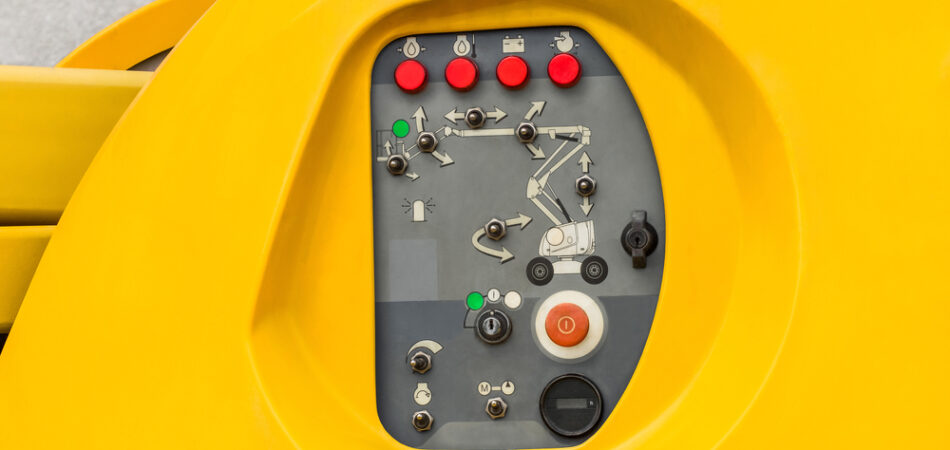
Construction projects, warehouse operations, facility maintenance, and utility work all rely on aerial lifts to safely access elevated work areas. In Chandler, AZ, where commercial development continues to expand and high temperatures can place additional stress on equipment, regular aerial lift inspections play a critical role in protecting workers and keeping projects moving safely.
Quick Answer
Aerial lift inspections are essential because they help identify mechanical issues, worn components, and safety hazards before they lead to equipment failure or workplace accidents. Routine inspections also help employers maintain compliance with applicable workplace safety regulations, reduce downtime, and improve overall job site safety.
What Local Readers Should Know
-
Regular aerial lift inspections help identify potential equipment failures before they create safety risks.
-
Arizona’s extreme heat and dusty environment can accelerate wear on hydraulic systems, hoses, tires, and electrical components.
-
Businesses throughout Chandler, Mesa, Gilbert, Tempe, and the greater Phoenix metropolitan area benefit from proactive inspection programs that reduce unexpected downtime.
-
Employers remain responsible for ensuring aerial lifts are inspected, maintained, and operated safely before workers use them.
-
Documented inspections support safer workplaces and help establish consistent maintenance practices.
Why This Matters Locally
Chandler continues to experience commercial growth across industrial parks, warehouses, manufacturing facilities, healthcare campuses, and retail developments. Businesses operating near the Price Corridor, Downtown Chandler, and throughout Maricopa County frequently depend on aerial lifts for maintenance, construction, and facility improvements.
Arizona’s climate presents unique challenges. Extended periods of extreme heat, blowing dust during monsoon season, and heavy daily equipment usage can contribute to accelerated wear on aerial lift components. These local conditions make routine inspections even more valuable for employers seeking to reduce equipment failures and maintain safe operations.
American Inspection and Test, Inc. provides inspection services that help businesses identify safety concerns before they become larger operational problems. Throughout the remainder of this article, we’ll explain why inspections matter, what they involve, and how they contribute to safer workplaces across the Chandler area.
Local Field Observations
Professional field experience consistently shows that aerial lifts operating in the Sonoran Desert environment often experience increased exposure to:
-
Dust contamination affecting moving parts
-
Hydraulic hose deterioration from prolonged UV exposure
-
Tire wear from rough pavement and construction sites
-
Electrical component issues caused by heat
-
Increased maintenance needs during busy construction seasons
While every machine operates under different conditions, Arizona’s environment often requires close attention to preventative maintenance and inspection schedules.
Local Impact
For businesses throughout Chandler and neighboring communities like Gilbert, Mesa, Queen Creek, and Tempe, an unexpected aerial lift failure can create much more than a maintenance issue.
Equipment downtime may delay construction schedules, interrupt facility maintenance, postpone HVAC repairs, or temporarily halt warehouse operations. More importantly, equipment defects that go unnoticed can increase the risk of workplace injuries.
Routine inspections help reduce these risks while supporting operational efficiency across a wide variety of industries.
Warning Signs Your Aerial Lift May Need Immediate Attention
Aerial lifts should be evaluated promptly if operators notice any of the following:
-
Hydraulic fluid leaks
-
Unusual noises during operation
-
Jerky or inconsistent platform movement
-
Damaged guardrails or platform components
-
Excessive tire wear or damage
-
Warning lights or electrical faults
-
Controls that do not respond properly
-
Visible structural cracks or corrosion
These issues should never be ignored, particularly before workers operate equipment at height.
When to Call a Professional
A qualified inspection should be scheduled whenever an aerial lift:
-
Is due for its required inspection interval
-
Has been involved in an incident
-
Has undergone significant repairs
-
Has been out of service for an extended period
-
Shows signs of mechanical or structural problems
-
Is returning to service after transportation or storage
Daily pre-operation inspections performed by operators remain important, but they do not replace more comprehensive professional inspections.
Common Local Causes of Aerial Lift Problems
Several factors commonly contribute to equipment issues in the Chandler area.
1. Extreme Heat
High summer temperatures can affect hydraulic systems, seals, hoses, batteries, and electrical components.
2. Dust and Debris
Construction dust, desert sand, and airborne debris can infiltrate moving parts, filters, and mechanical systems.
3. Heavy Equipment Usage
Commercial construction throughout the East Valley often results in frequent equipment use, increasing normal wear.
4. Deferred Maintenance
Delaying recommended maintenance allows small issues to develop into more significant mechanical failures.
5. Environmental Exposure
Outdoor storage exposes equipment to UV radiation, temperature swings, and seasonal monsoon weather.
Prevention and Maintenance
The best way to improve aerial lift safety is through consistent maintenance and routine inspections.
Helpful practices include:
-
Perform operator pre-use inspections every day.
-
Follow manufacturer maintenance recommendations.
-
Keep maintenance records organized.
-
Clean equipment regularly to remove accumulated dust and debris.
-
Address minor repairs before they become major issues.
-
Remove damaged equipment from service until repairs are completed.
These preventative measures help extend equipment life while improving workplace safety.
Expected Results from Regular Inspections
Businesses that prioritize regular aerial lift inspections can reasonably expect:
-
Earlier identification of equipment issues
-
Reduced likelihood of unexpected breakdowns
-
Improved workplace safety
-
Better maintenance planning
-
Increased equipment reliability
-
More consistent operational uptime
Although inspections cannot eliminate every equipment problem, they significantly improve the ability to identify developing issues before they become serious.
Common Mistakes
Skipping Scheduled Inspections
Consequence: Mechanical issues may remain undetected.
Better approach: Follow a consistent inspection schedule based on equipment usage and applicable requirements.
Ignoring Small Hydraulic Leaks
Consequence: Minor leaks can develop into larger hydraulic failures.
Better approach: Investigate and repair leaks promptly.
Assuming Daily Checks Are Enough
Consequence: Operator inspections may not identify hidden mechanical problems.
Better approach: Combine daily inspections with comprehensive professional evaluations.
Delaying Repairs
Consequence: Equipment deterioration often accelerates over time.
Better approach: Schedule repairs as soon as problems are identified.
Common Local Scenario
A maintenance contractor servicing multiple commercial properties across Chandler notices an aerial lift operating normally during basic daily inspections. During a comprehensive inspection, however, deteriorating hydraulic hoses and excessive wear on several critical components are identified. Repairs are completed before equipment failure occurs, helping the contractor avoid unexpected downtime and reducing potential safety risks for employees working at elevation.
Related Service Solutions
Professional aerial lift inspections may include evaluation of:
-
Structural components
-
Hydraulic systems
-
Electrical systems
-
Safety devices
-
Guardrails
-
Controls
-
Tires and wheels
-
Operational testing
-
Documentation of inspection findings
These services help employers make informed maintenance decisions while supporting safer equipment operation.
Comparing Your Options
| Option | Advantages | Considerations |
|---|---|---|
| Daily Operator Inspection | Quick visual assessment before use | Does not replace comprehensive inspections |
| Professional Inspection | More thorough evaluation of mechanical and structural systems | Requires qualified inspection personnel |
| Reactive Repairs Only | Addresses problems after they occur | May increase downtime and safety risks |
| Preventative Inspection Program | Helps identify issues earlier and supports maintenance planning | Requires ongoing scheduling and documentation |
Service Areas
We proudly serve businesses throughout Chandler, Gilbert, Mesa, Tempe, Queen Creek, Phoenix, and surrounding communities across Maricopa County. Whether you operate a construction company, industrial facility, warehouse, or commercial property, our inspection services help support safer equipment operation throughout the East Valley.
The Cost of Ignoring the Issue
Postponing aerial lift inspections may allow developing mechanical issues to worsen over time. This can contribute to increased repair costs, unexpected equipment downtime, project delays, and greater workplace safety risks.
Routine inspections represent a proactive approach that helps organizations identify concerns before they become larger operational challenges.
Frequently Asked Questions
How often should aerial lifts be inspected in Chandler, AZ?
Aerial lifts should be inspected according to manufacturer recommendations, workplace safety requirements, and equipment usage. Daily operator inspections and regularly scheduled professional inspections both play important roles in maintaining safe operation.
Does Arizona’s climate affect aerial lift maintenance?
Yes. Chandler’s extreme summer temperatures, dust, and seasonal monsoon conditions can contribute to increased wear on hydraulic systems, electrical components, hoses, and tires.
What is included in a professional aerial lift inspection?
A professional inspection typically evaluates structural integrity, hydraulic systems, controls, safety devices, electrical systems, tires, operational performance, and other critical components.
Can businesses in Mesa and Gilbert benefit from regular aerial lift inspections?
Yes. Businesses throughout Mesa, Gilbert, Chandler, and neighboring communities face similar environmental conditions and equipment demands that make routine inspections beneficial.
Do operator inspections replace professional inspections?
No. Daily operator inspections help identify visible issues before use, while professional inspections provide a more comprehensive evaluation of equipment condition.
Why is documentation important after an aerial lift inspection?
Inspection documentation helps track maintenance history, identify recurring issues, support equipment management, and demonstrate consistent inspection practices.
What industries commonly use aerial lifts around Chandler?
Construction, warehousing, manufacturing, commercial property maintenance, utilities, telecommunications, and facility management all regularly use aerial lifts throughout the region.
What should I do if an aerial lift shows signs of damage?
Equipment showing signs of damage, unusual operation, or mechanical problems should be removed from service until it has been properly evaluated and repaired.
Closing
Safe aerial lift operation begins long before equipment leaves the ground. Regular inspections help identify developing issues, support preventative maintenance, and contribute to safer workplaces across Chandler and the surrounding East Valley. By making inspections part of your routine equipment management program, you can reduce unnecessary downtime while helping protect both employees and business operations.
Keep Your Equipment Working Safely
We’re here to help businesses throughout Chandler and the surrounding communities maintain safer, more reliable aerial lift equipment through professional inspection services.