
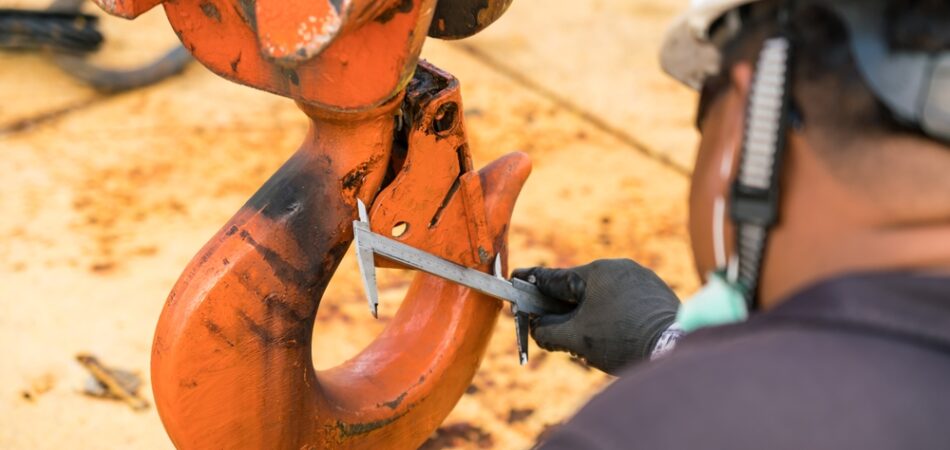
Construction never truly slows down across the Phoenix metro area, and that includes projects in Chandler, Mesa, Gilbert, Tempe, Scottsdale, and surrounding communities. Whether crews are building commercial developments, industrial facilities, or large residential projects, cranes remain some of the most critical pieces of equipment on the jobsite. Arizona’s extreme heat, seasonal monsoon storms, and demanding work schedules make routine crane inspections essential throughout the year rather than only before major projects begin.
Quick Answer
Arizona construction companies should prioritize crane inspections year-round because weather conditions, heavy equipment usage, and changing jobsite demands can affect crane safety at any time. Regular inspections help identify wear, mechanical issues, and safety concerns before they lead to equipment failures, project delays, or workplace hazards. Consistent inspections also support compliance with applicable OSHA requirements and manufacturer recommendations.
What Local Contractors Should Know
- Arizona’s intense summer heat can accelerate wear on hydraulic systems, hoses, seals, and electrical components.
- Monsoon season across Maricopa County can expose cranes to high winds, blowing dust, and heavy rain that require additional attention.
- Construction activity throughout Chandler, Phoenix, Mesa, Gilbert, and Tempe often keeps cranes operating with minimal downtime, making preventive inspections even more valuable.
- OSHA requires various crane inspections depending on equipment use, condition, and circumstances. Regular inspections help support compliance with these requirements.
- Finding issues during scheduled inspections is generally less disruptive than discovering them after equipment failure on an active project.
Why Crane Inspections Matter for Arizona Construction Projects
Crane inspections matter because they help identify developing problems before they create safety risks or interrupt construction schedules. In Chandler and throughout the Valley, contractors often work under tight deadlines while operating equipment in one of the country’s harshest climates.
Arizona’s environment creates unique challenges that contractors in cooler regions may not experience as frequently. Long periods of intense sunlight, temperatures that regularly exceed 100 degrees during summer, airborne dust, and seasonal monsoon storms all place additional stress on heavy equipment.
American Inspection and Test, Inc. provides inspection services that help contractors identify issues early so projects can continue operating as safely and efficiently as possible. We understand the environmental conditions construction companies face across the Phoenix metropolitan area and the importance of maintaining equipment throughout every season.
Local Field Observations
Professional inspection experience consistently shows that cranes operating in Arizona experience environmental stress throughout the year rather than during a single season.
Dust accumulation can affect moving parts and electrical components. Prolonged UV exposure may contribute to deterioration of rubber components and protective coverings. Monsoon storms can introduce moisture and debris into equipment that appeared to be operating normally only days earlier.
These conditions make consistent inspection schedules especially valuable for contractors managing multiple jobsites throughout Chandler and neighboring communities.
How Year-Round Inspections Benefit Local Construction Companies
Year-round crane inspections help construction companies reduce unexpected downtime, improve jobsite safety, and better plan maintenance before equipment problems become costly.
For contractors working throughout Chandler and nearby cities, these benefits include:
- Improved equipment reliability during busy construction seasons.
- Greater confidence that cranes are ready for demanding lifting operations.
- Fewer unexpected project interruptions caused by mechanical issues.
- Better planning for maintenance during scheduled downtime.
- Documentation that supports inspection records and safety programs.
Even relatively small mechanical concerns can become expensive repairs if they are not identified early.
Warning Signs That a Crane Should Be Inspected
Several warning signs may indicate that a crane requires immediate professional inspection beyond its routine schedule.
These include:
- Unusual noises during lifting or rotation.
- Hydraulic fluid leaks.
- Visible damage to wire ropes or lifting components.
- Unexpected warning lights or electrical issues.
- Excessive vibration during operation.
- Signs of corrosion or structural damage.
- Difficulty operating controls smoothly.
- Equipment that has recently experienced severe weather exposure.
Any of these conditions should be evaluated before normal operations continue.
When Construction Companies Should Call for Professional Crane Inspections
Professional crane inspections are appropriate whenever there is uncertainty about equipment condition, following significant repairs, after unusual operating events, or according to required inspection schedules.
Operators can perform routine visual observations before use, but comprehensive inspections require trained professionals familiar with applicable inspection standards and equipment requirements.
Arizona contractors should also consider additional inspections after:
- Severe monsoon storms.
- Extended periods of inactivity.
- Equipment relocation between major projects.
- Significant component replacement.
- Incidents involving unusual loads or impacts.
Common Local Factors That Increase Crane Wear
Several Arizona-specific conditions contribute to increased equipment wear throughout the year.
1. Extreme Summer Heat
Extended high temperatures can affect hydraulic systems, lubricants, seals, hoses, and electrical components.
2. Monsoon Storms
High winds, blowing debris, moisture, and dust associated with Arizona’s monsoon season can affect crane performance and require additional inspections afterward.
3. Airborne Dust
Construction sites throughout the Phoenix metro area frequently experience dust that can accumulate in moving parts, cooling systems, and electrical enclosures.
4. Continuous Equipment Use
Growing communities such as Chandler, Gilbert, Queen Creek, and Mesa continue to see active commercial and residential development, often keeping cranes in regular operation for extended periods.
Prevention and Maintenance Tips
Preventive maintenance works best when inspections become part of a consistent equipment management program rather than a reaction to problems.
Construction companies can help protect their equipment by:
- Performing daily pre-operation visual checks.
- Following manufacturer maintenance recommendations.
- Cleaning excessive dust and debris from equipment.
- Monitoring hydraulic systems for leaks.
- Keeping accurate maintenance and inspection records.
- Scheduling professional inspections throughout the year rather than only before major projects.
Routine observation by operators is valuable, but professional inspections provide a more comprehensive evaluation of crane condition.
What Contractors Can Expect From Regular Crane Inspections
Regular crane inspections help identify developing issues before they become larger repairs or operational concerns.
A professional inspection may evaluate structural components, mechanical systems, hydraulic systems, electrical systems, safety devices, wire ropes, hooks, operational controls, and other critical equipment depending on the crane type and inspection requirements.
The goal is to provide useful information that supports safe operation and informed maintenance decisions.
Common Mistakes Arizona Contractors Make
Waiting Until Equipment Shows Problems
Consequence: Small issues may develop into larger repairs or unexpected downtime.
Better Approach: Follow a consistent inspection schedule throughout the year.
Assuming Good Performance Means No Inspection Is Needed
Consequence: Some developing issues are not immediately noticeable during normal operation.
Better Approach: Schedule inspections according to applicable requirements even when equipment appears to be operating normally.
Ignoring Weather Exposure
Consequence: Heat, dust, and storms can affect equipment without creating immediate symptoms.
Better Approach: Include seasonal inspections after significant environmental events.
Common Local Scenario
A contractor working on multiple commercial developments throughout Chandler and nearby communities keeps a crane operating across several consecutive projects. Daily operator checks reveal no obvious concerns, but a scheduled professional inspection identifies developing wear within a hydraulic component before it affects lifting operations. Addressing the issue during planned maintenance helps minimize project disruption compared to an unexpected breakdown during active construction.
Related Inspection Services
Construction companies often benefit from inspection programs that include:
- Routine crane inspections.
- Equipment testing.
- Preventive inspection scheduling.
- Safety documentation support.
- Inspection services for multiple pieces of lifting equipment.
Comparing Your Options
| Approach | Benefits | Limitations |
|---|---|---|
| Operator Daily Checks | Identifies obvious visible concerns before use | Cannot replace comprehensive professional inspections |
| Reactive Repairs | Addresses problems after failure | May increase downtime and repair costs |
| Scheduled Professional Inspections | Helps identify developing issues early and supports preventive maintenance | Requires advance scheduling but may reduce unexpected interruptions |
Service Areas
We proudly serve contractors in Chandler as well as Phoenix, Mesa, Gilbert, Tempe, Scottsdale, Queen Creek, and surrounding communities throughout Maricopa County. Our inspection services support construction companies working across the growing Phoenix metropolitan area.
The Cost of Waiting
Delaying crane inspections can increase the likelihood of unexpected repairs, project delays, equipment downtime, and safety concerns. Identifying developing issues before they become larger problems helps construction companies better manage maintenance schedules and keep projects moving.
Frequently Asked Questions
How often should cranes be inspected in Arizona?
Regular crane inspections should follow applicable OSHA requirements, manufacturer recommendations, equipment usage, and operating conditions. Arizona’s extreme climate may also justify additional inspections after significant weather events or heavy use.
Does Arizona’s heat affect crane performance?
Yes. Arizona’s prolonged high temperatures can place additional stress on hydraulic systems, seals, hoses, electrical components, and lubricants, making routine inspections especially valuable.
Should cranes be inspected after monsoon storms in Chandler?
Yes. High winds, blowing dust, heavy rain, and storm debris can affect crane components. A professional inspection after severe weather can help identify issues before equipment returns to service.
Are daily operator inspections enough?
No. Daily visual inspections are important but do not replace comprehensive inspections performed by qualified professionals according to applicable inspection requirements.
Why are year-round inspections important in Chandler?
Construction activity continues throughout much of the year in Chandler, and cranes remain exposed to heat, dust, and changing weather conditions in every season. Regular inspections help monitor equipment condition regardless of project schedules.
Can regular inspections reduce project delays?
Yes. Identifying developing maintenance issues before they become equipment failures can help contractors schedule repairs during planned downtime rather than during active lifting operations.
Keep Your Crane Inspection Program Working All Year
Construction projects across Chandler and the surrounding Phoenix metro area depend on reliable lifting equipment every day. A consistent inspection program helps contractors monitor equipment condition, support workplace safety, and reduce unexpected interruptions throughout every season.
Protect Your Equipment Before Small Problems Become Bigger Ones
We are committed to helping Arizona construction companies maintain safe, reliable lifting equipment with professional inspection services tailored to local operating conditions.